Managing a fleet involves more than knowing where vehicles are or whether they are available. To make informed decisions, operational teams also need information about vehicle performance and features that address the specific requirements of their operation. This is where advanced telematics and vehicle control capabilities become relevant to fleet management.
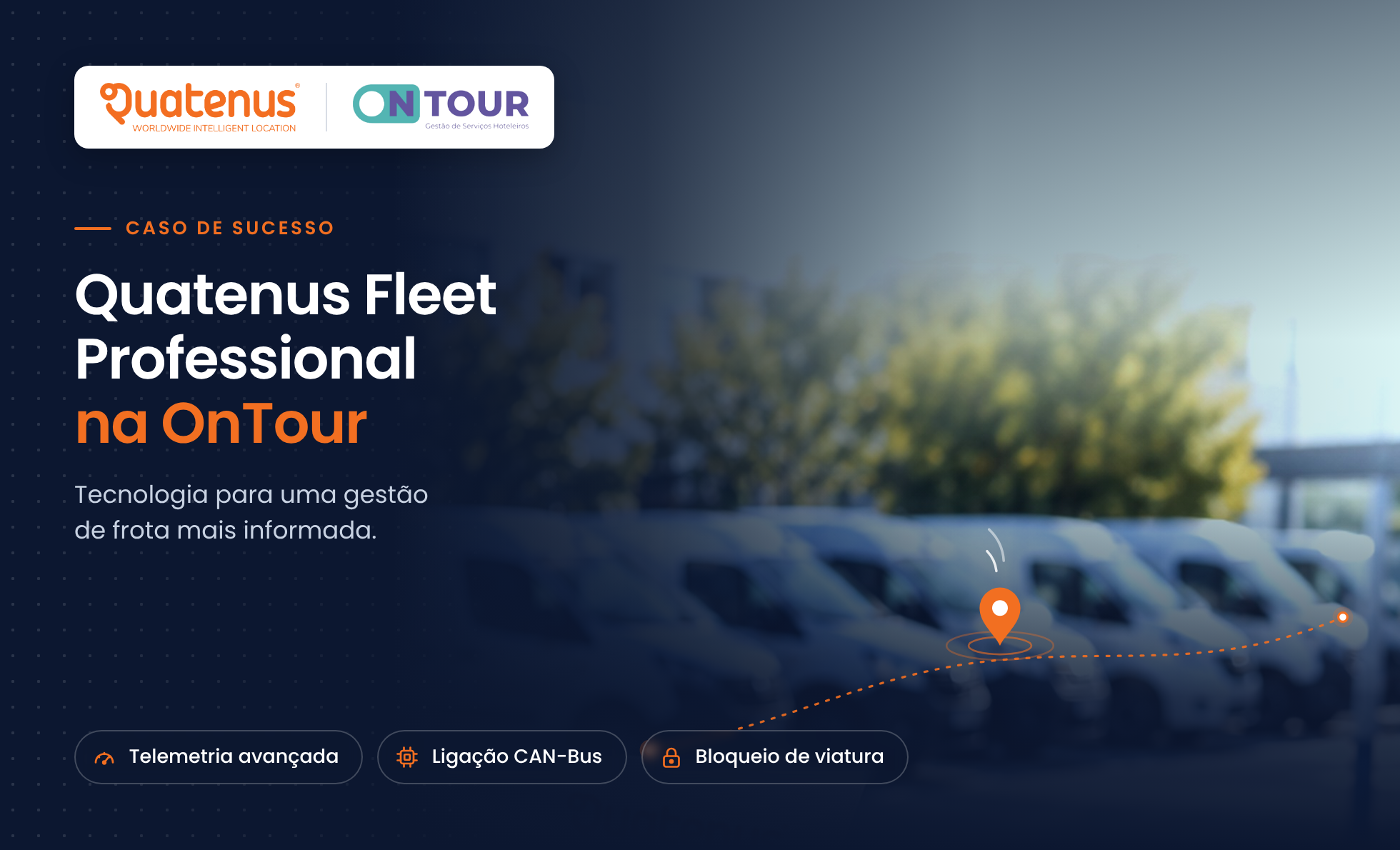
OnTour, a tourism and hotel management company and a subsidiary of Grupo Omatapalo, implemented Quatenus Fleet Professional with two additional components: a CAN Bus connection, providing real-time access to vehicle telematics data, and a vehicle immobilisation feature.
A fleet is a set of resources that needs to be managed in line with the demands of the business. In tourism and hotel management operations, vehicles support day-to-day activities. Access to relevant information about each vehicle can therefore contribute to operational oversight.
When fleet management relies on limited information, building a comprehensive view of vehicles can be more difficult. Telematics data adds a technical dimension to fleet oversight by making information from vehicles' electronic systems available to the management process.
When choosing a fleet management solution, businesses should consider their specific requirements and the features that can support their processes. Advanced telematics and vehicle control are two aspects that may form part of that assessment.
To support its operational requirements, OnTour implemented Quatenus Fleet Professional, a fleet management solution from Quatenus. The implementation includes a CAN Bus connection and the additional vehicle immobilisation feature.
This configuration brings together two distinct capabilities. The CAN Bus connection provides real-time access to vehicle telematics data. The vehicle immobilisation feature adds a further control capability to the implemented solution.
CAN Bus, short for Controller Area Network, is a communication network used by a vehicle's electronic systems to exchange information between different control units. Connecting to this network provides access to telematics data made available by the vehicle.
In OnTour's implementation, the CAN Bus connection provides real-time access to vehicle telematics data. Fleet management can therefore draw on technical information from the vehicles themselves, alongside the information normally considered in operational oversight.
The data available depends on the information supported by each vehicle and its integration. It should not be assumed that every vehicle provides exactly the same parameters.
The implementation also includes the additional vehicle immobilisation feature. This adds a specific control capability to the set of features available within the solution.
Its inclusion highlights the importance of assessing fleet management as a whole. Alongside access to vehicle information, a business may need additional features that address specific operational requirements. The conditions for using and activating immobilisation should be considered in line with the implemented configuration and the procedures established by the business.
The CAN Bus connection and vehicle immobilisation address different needs. The first provides real-time access to telematics data. The second adds an immobilisation feature to the fleet management system.
This distinction matters to fleet managers and decision-makers assessing technology for their vehicles. Telematics makes technical information supplied by vehicles available for management purposes, while control features should be evaluated against each organisation's objectives and operational rules.
At OnTour, both capabilities were included in the Quatenus Fleet Professional implementation. The case illustrates how a solution can be complemented with specific features according to a company's context and identified requirements.
No two fleet operations are necessarily the same. The industry, vehicle types, internal processes and control requirements all influence which features are most appropriate.
The OnTour implementation brings together fleet management, real-time access to telematics data through the CAN Bus connection and vehicle immobilisation. Rather than considering these capabilities in isolation, it is important to understand how each one addresses a specific organisational requirement.
For businesses assessing fleet management solutions, this case provides a starting point for considering the role of advanced telematics and vehicle control features in managing their vehicles. The choice should be based on the operation's actual requirements and on the capabilities supported by the vehicles and the solution.
The implementation of Quatenus Fleet Professional at OnTour demonstrates the integration of two specific features within a fleet management solution: a CAN Bus connection providing real-time access to vehicle telematics data, and the additional vehicle immobilisation feature.
For fleet managers and operational teams, understanding these capabilities can help establish more informed criteria when assessing vehicle technology. The right solution is one that addresses the operation's actual requirements, with its features and data properly understood.
Are you looking for a fleet management solution with access to telematics data and vehicle control features?
Contact Quatenus to learn more about the capabilities of Quatenus Fleet Professional.
Contact UsFAQ's
Advanced telematics provides access to technical data made available by vehicles, supporting more informed fleet oversight. The information available depends on each vehicle's electronic systems and the integration in use.
CAN Bus is a communication network used by a vehicle's electronic systems. Connecting to this network can provide access to telematics data made available by the vehicle. The specific data depends on the vehicle and its integration.
Yes. The Quatenus Fleet Professional implementation at OnTour includes a CAN Bus connection that provides real-time access to vehicle telematics data. The specific information available varies according to the data supported by each vehicle.
Vehicle immobilisation is a control feature that can be included in a fleet management solution. Its use should follow the implemented configuration, the company's procedures and the conditions applicable to each vehicle.
The assessment should start with the operation's requirements. Features to consider may include access to telematics data, CAN Bus connectivity and additional control capabilities such as vehicle immobilisation. It is also important to confirm compatibility with the vehicles and the data they actually provide.
Related