In an operation where different stages of the business depend on consistent movement, fleet management stops being a minor operational detail. It becomes part of the company’s ability to respond.
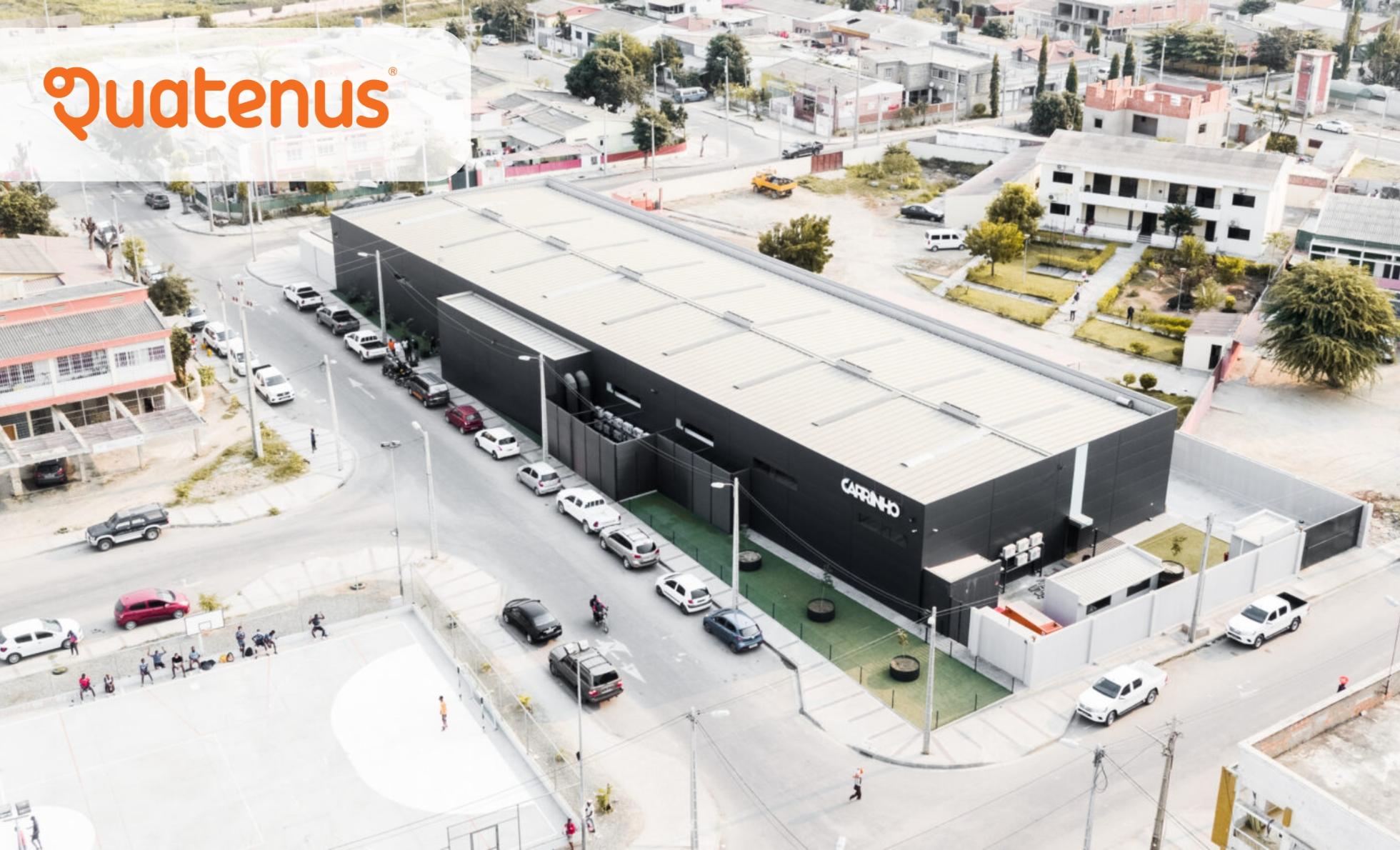
That is the context in which Carrinho, a family business committed to building a vertically integrated structure in the food sector, strengthened its mobility approach with the support of Quatenus Fleet Edition Professional. The goal is not simply to track vehicles. It is to create better conditions to identify, protect and support the operation in the field.
At Carrinho, mobility is connected to different stages of the business, from sourcing to commercialisation. This means that each vehicle can have a direct impact on operational continuity, coordination between teams and the ability to respond without avoidable delays.
In this kind of environment, fleet management needs to go beyond location alone. It matters to know who is using the vehicle, to create the conditions for a quick reaction when a critical situation arises, and to strengthen asset protection with tools suited to operational reality.
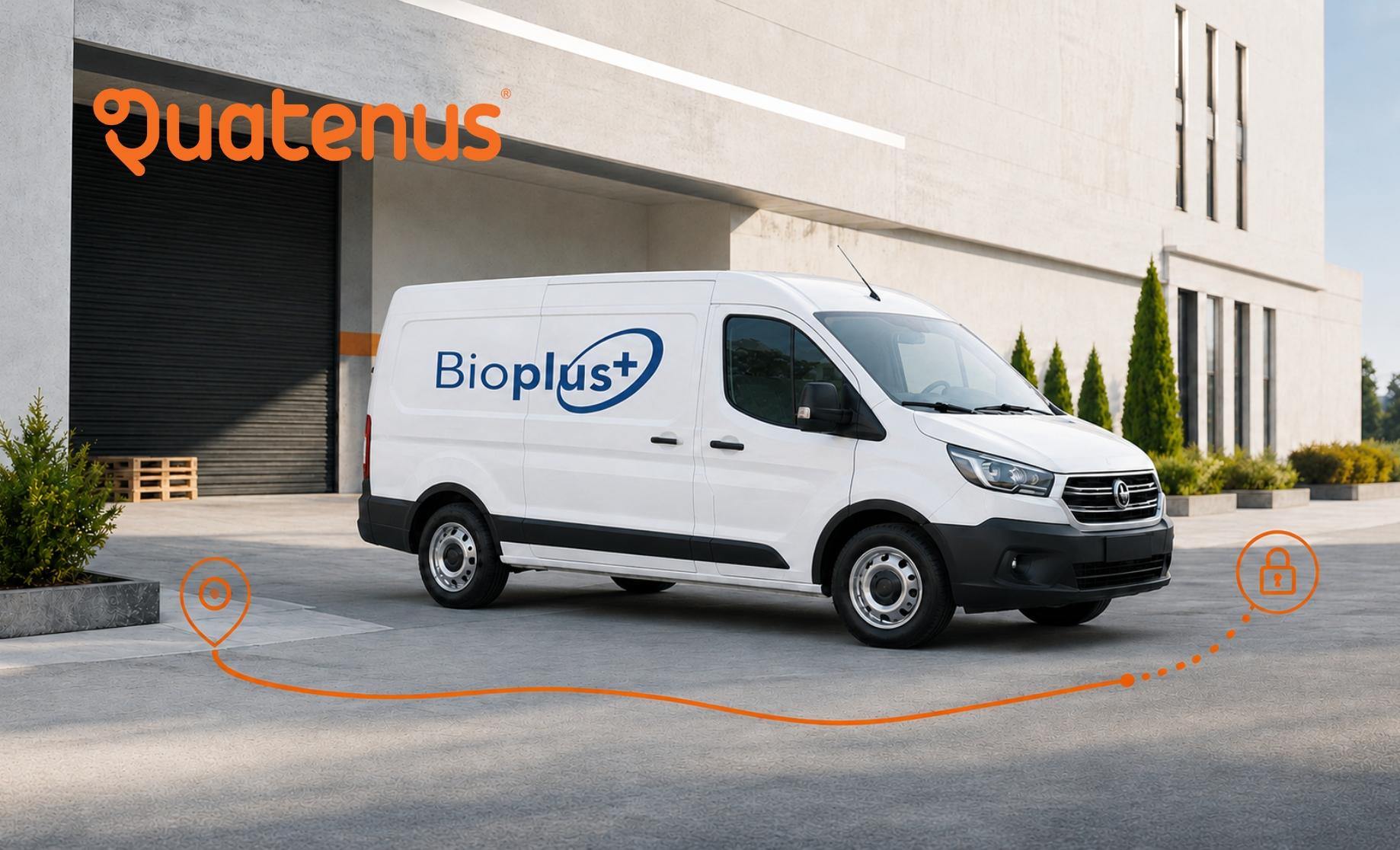
To respond to this operating context, Carrinho uses Quatenus Fleet Edition Professional with RFID cards, an SOS button and vehicle immobilisation. What makes this combination relevant is the way it brings technology closer to day-to-day practice.
Rather than adding complexity, these features help organise critical routines, strengthen the identification of vehicle use and support a faster response when the operation requires intervention.
RFID cards help associate vehicle use with the relevant driver, bringing greater clarity to day-to-day usage routines. The SOS button makes it possible to signal situations that require immediate attention. Vehicle immobilisation adds a layer of protection that can be decisive in scenarios requiring fast action.
The value of these features does not lie only in the fact that they exist. It lies in the way they work together to support safer decisions, more consistent management and an operation that is better prepared to deal with the unexpected.
In a vertically integrated structure, small coordination gaps can affect several stages of the process. That is why solutions that help identify, protect and respond become important far beyond the administrative side of fleet management.
In Carrinho’s case, the practical application of these features lies precisely in their ability to support a broad operation with real demands in the field and a need for timely response.
When a company grows and supports several stages of the business, management benefits from tools that reinforce operational consistency. Having clearer identification of vehicle use, stronger support for safety and greater response capability helps reduce uncertainty and enables more grounded decisions.
That is what makes this case relevant. The technology does not appear as an isolated element. It appears as support for an operation that depends on pace, protection and close oversight.
In many operations, the difference is not only about reacting once a problem has already happened. It is about having mechanisms that help teams act earlier, with better context and stronger decision-making capacity. That is where features such as RFID identification, an SOS button and vehicle immobilisation gain practical value.
Want to understand how this approach can support your operation?
Explore Quatenus fleet management solution.
Know MoreFAQ
When the same operation involves several stages of the process, the fleet has a direct impact on continuity, coordination and response speed. This increases the importance of identification, asset protection and the ability to act in the field.
RFID cards help associate vehicle use with the relevant driver. This brings greater clarity to operational routines and supports more consistent management of fleet usage.
The SOS button makes it possible to signal situations that require immediate attention. In a demanding operation, this capability can support teams and speed up the response when a critical moment arises.
Vehicle immobilisation can strengthen asset protection in scenarios that require a fast and firmer response. Its value lies in helping management when the operation needs stronger protection.
As the operation grows, the demands on teams, processes and mobility also increase. Aligning fleet management with that evolution helps maintain consistency, useful response and stronger support for safety in the field.